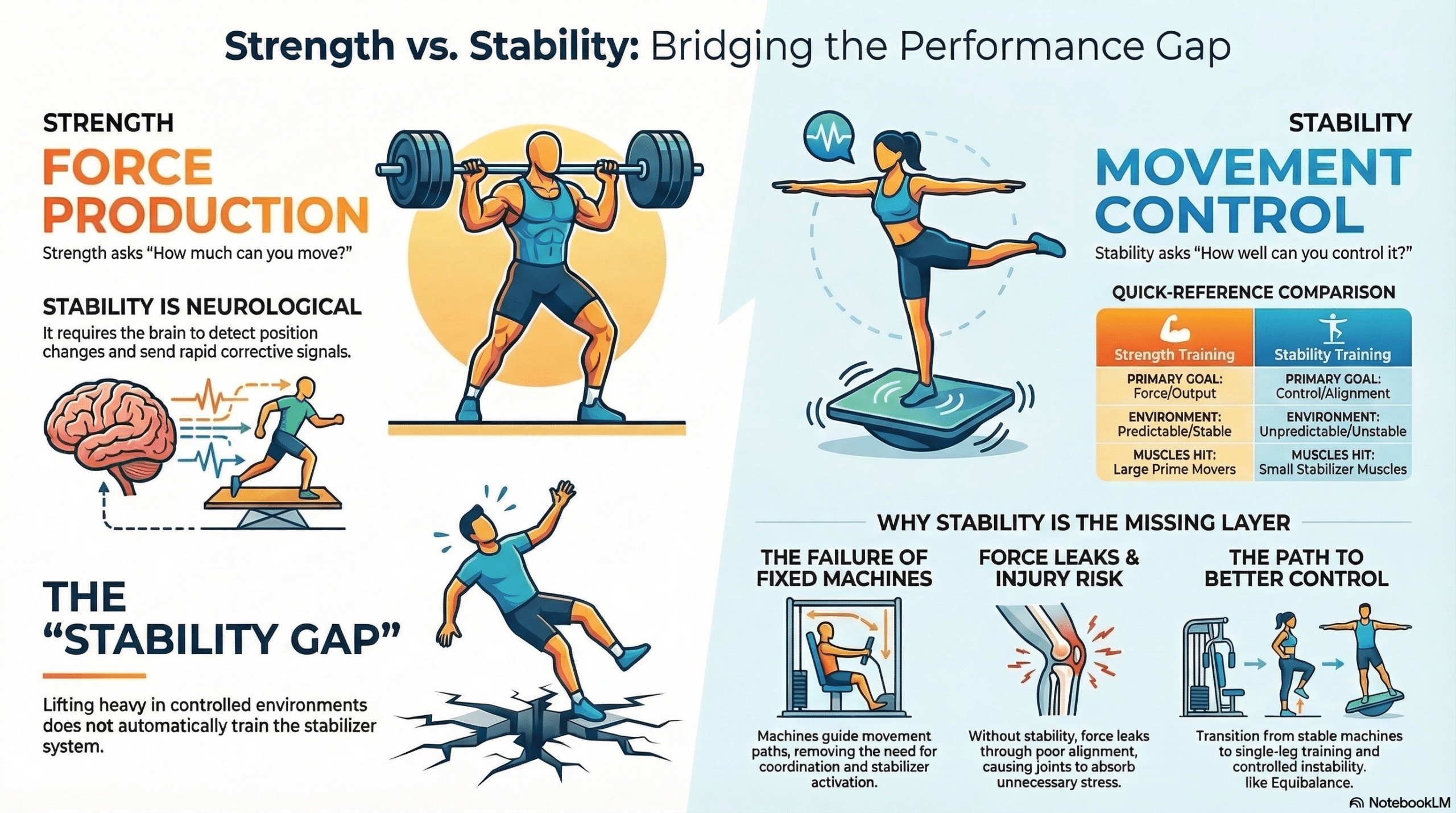
Most people train strength. Very few train stability. They assume the two are connected. They are not. You can lift heavy, build muscle, and still lack control over your own body. That gap is where performance stalls and injuries begin.
What Is Strength?
Strength is the ability to produce force.
It is measurable through:
- Load lifted
- Repetitions completed
- Output generated
Typical training improves prime mover muscles, force production capacity, and muscle size. This is what most programs focus on.
What Is Stability?
Stability is the ability to control movement.
It depends on:
- Proprioception
- Neuromuscular coordination
- Joint alignment
- Stabilizer muscle activation
It is not about how much force you produce. It is about how well you control that force.
The Core Difference
Strength answers: “How much can you move?”
Stability answers: “How well can you control it?”
You need both. Most people only train one.
Why Strength Alone Is Not Enough
Strength training is usually performed in controlled environments:
- Fixed machines
- Predictable bar paths
- Stable surfaces
- Bilateral movement patterns
This reduces the need for stabilization. The body adapts accordingly.
The result: strong prime movers, an underdeveloped stabilizer system, and poor control under real-world conditions.
What Are Stabilizer Muscles?
Stabilizers are not large, visible muscles. They are smaller muscles responsible for:
- Maintaining joint alignment
- Controlling micro-movements
- Reacting to instability
Examples include ankle stabilizers, hip rotators, and deep core muscles. These muscles do not generate large force. They maintain control.
Why Strong People Still Lack Stability
Because stability is not automatically trained through strength work. You can squat heavy and still:
- Collapse at the knee
- Lose balance under load
- Compensate through dominant muscles
This happens because stabilizers are not being challenged, the nervous system is not trained to react, and movement is too predictable. Strength without control creates compensation patterns.
The Role of the Nervous System
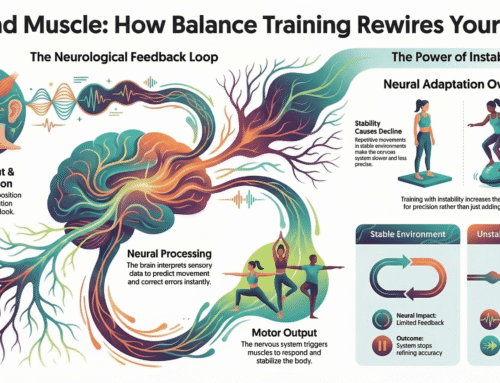
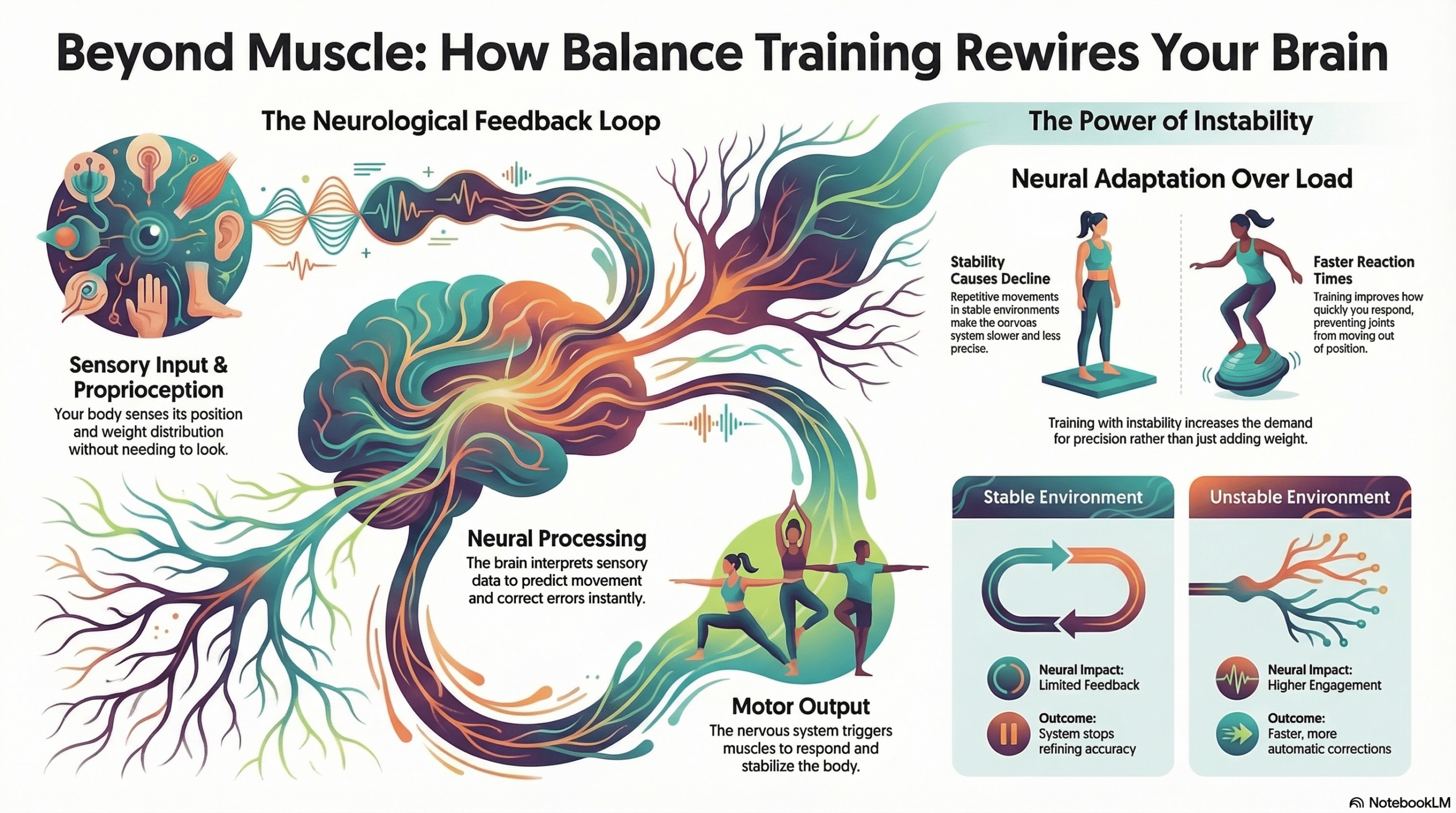
Stability is not just muscular. It is neurological. Your brain must:
- Detect position changes
- Process instability
- Send rapid corrective signals
This is neuromuscular control. Without it, reactions are delayed, coordination is poor, and balance breaks down.
Why Gym Machines Don’t Build Stability
Machines remove instability by design. They guide movement paths, reduce coordination demands, and isolate muscles. This is useful for strength. It is ineffective for stability.
Real-world movement is not guided. Your body must control itself.
Strength vs Stability in Real Movement
In real life, surfaces are uneven, movement is unpredictable, and load shifts constantly.
Without stability, force leaks through poor alignment, joints absorb unnecessary stress, and efficiency drops. This is where most injuries occur.
How to Train Stability Properly
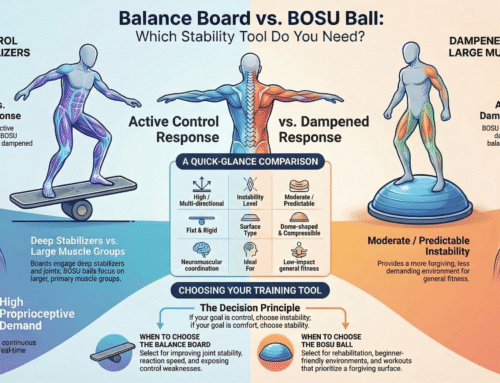
Stability requires exposure to instability — not chaos, but controlled instability.
Effective methods:
- Single-leg training
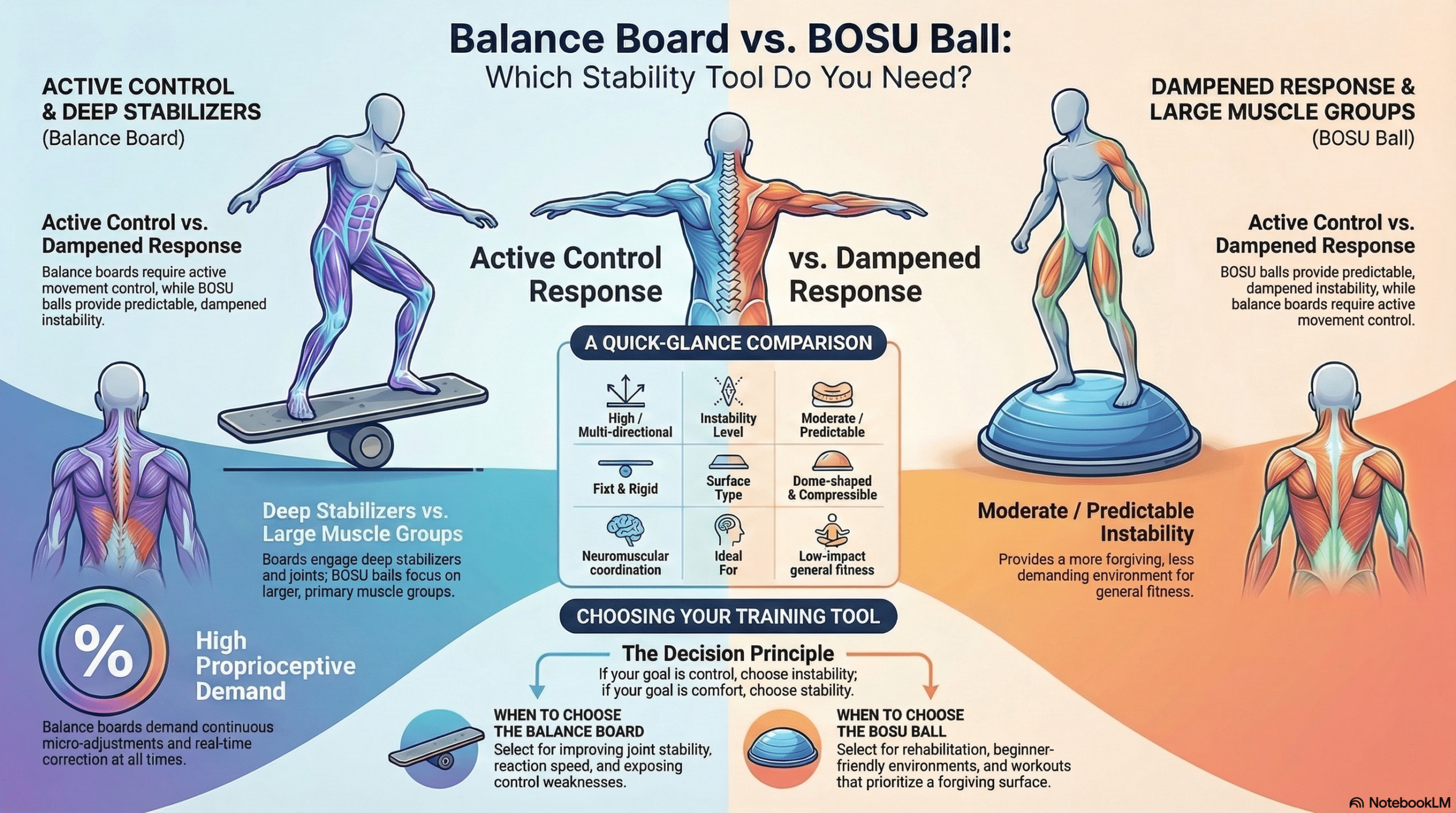
- Unstable surfaces (used progressively)
- Anti-rotation exercises
The goal is precision. Not exhaustion.
Where Equibalance Fits
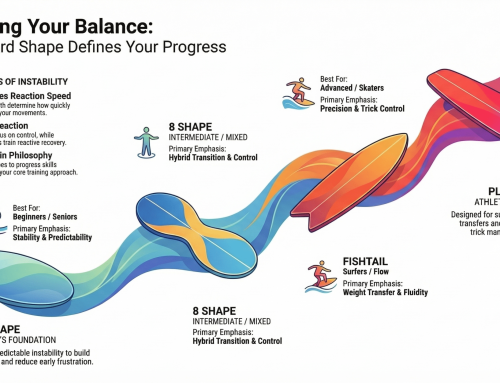
At a certain point, stable training stops challenging your system. You need an environment that forces adaptation.
Equibalance introduces controlled instability that:
- Activates stabilizer muscles continuously
- Forces real-time neuromuscular response
- Improves proprioception under movement
- Exposes weaknesses hidden in stable training
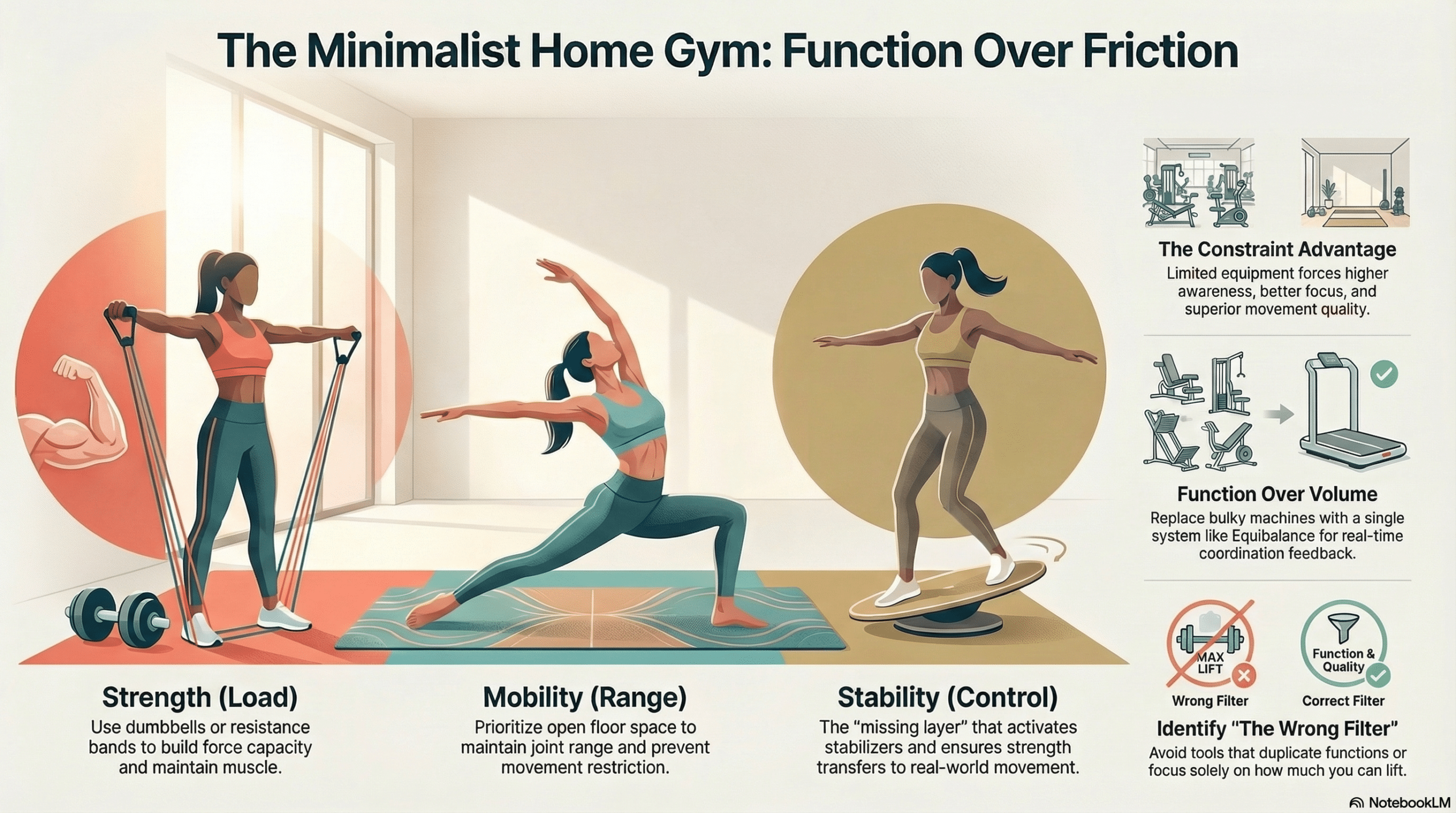
It is not a replacement for strength training. It completes it.
The Missing Layer in Most Programs
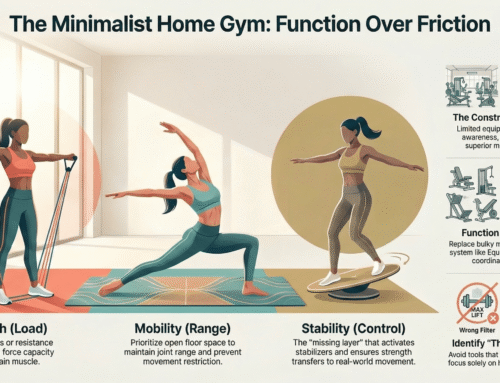
Most people train strength and endurance. Few train control, coordination, and stability. This creates imbalance in the system — the body becomes strong but inefficient.
Adding stability training is not optional for serious performance. It is the layer that makes everything else work.