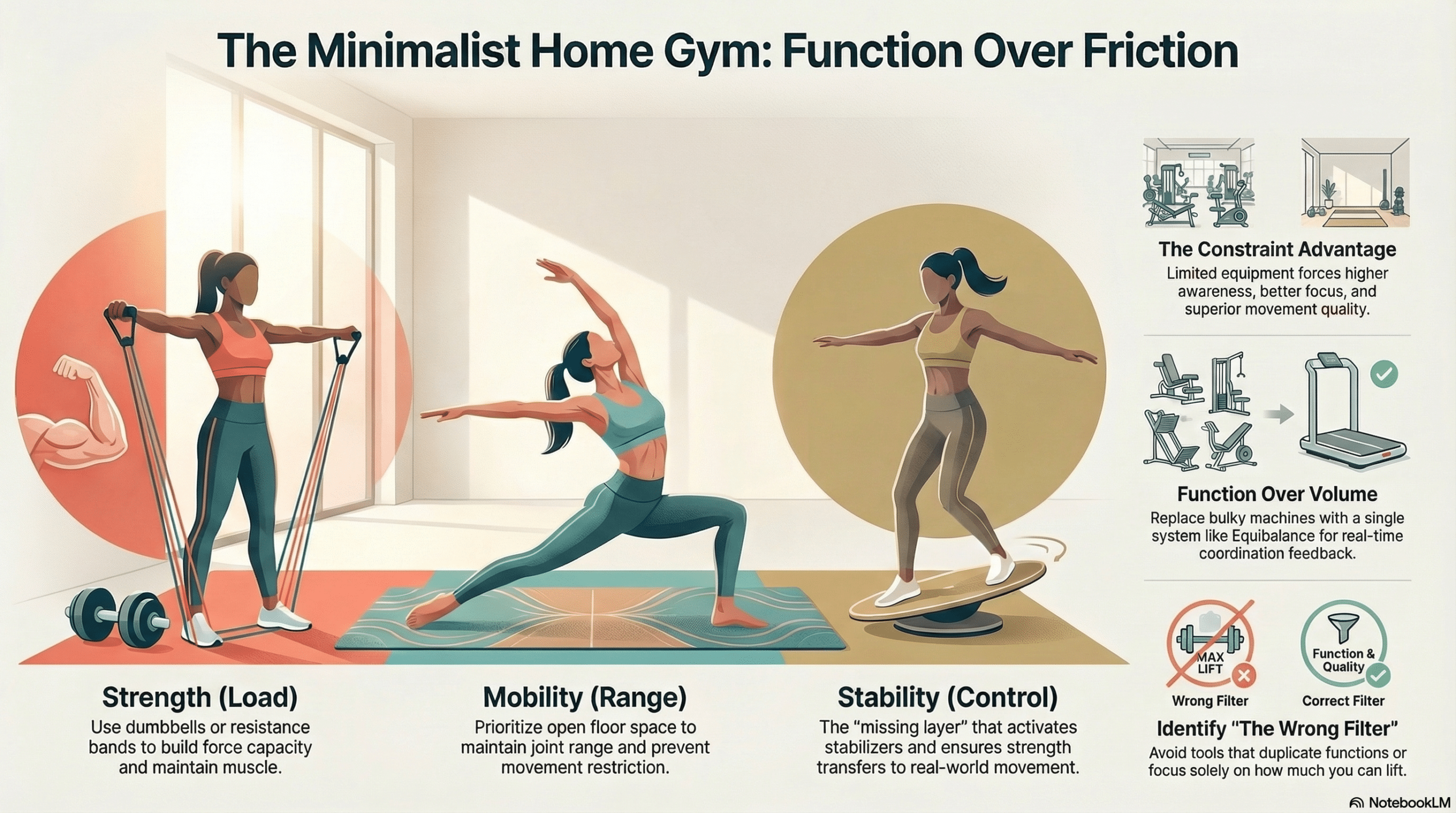
Most home gyms fail for one reason. They try to replicate a commercial gym. That leads to unnecessary equipment, unused machines, and clutter without function.
A home setup should not copy a gym. It should remove everything that does not improve how you move.
The Wrong Approach
Typical home gym logic: more equipment equals more results. This creates redundancy, complexity, and low usage. Most tools overlap in function. Few improve control.
The Right Filter
Every piece of equipment should answer one question: Does this improve how your body moves?
Not how much you can lift. Not how many exercises you can perform. Movement quality determines long-term results.
What You Actually Need
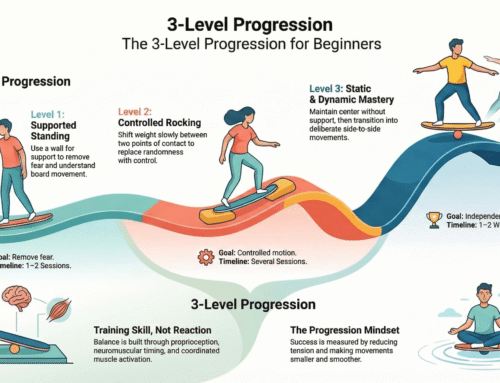
A minimal setup covers three functions: strength, mobility, and stability. Most people cover the first two. They ignore the third.
Strength — Load
You need a way to apply resistance. Options include dumbbells or resistance bands. Purpose: build force capacity and maintain muscle.
Mobility — Range
You need to maintain joint range and control. This requires floor space and basic stretching tools. Purpose: prevent restriction and maintain movement freedom.
Stability — Control
This is the missing layer. Without stability:
- Strength does not transfer
- Movement becomes inefficient
- Joints absorb unnecessary stress
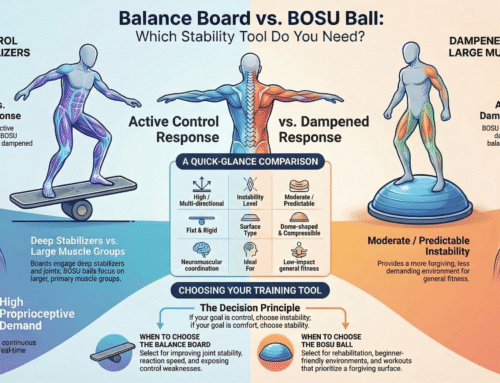
You need a tool that challenges control.
Why Stability Equipment Matters
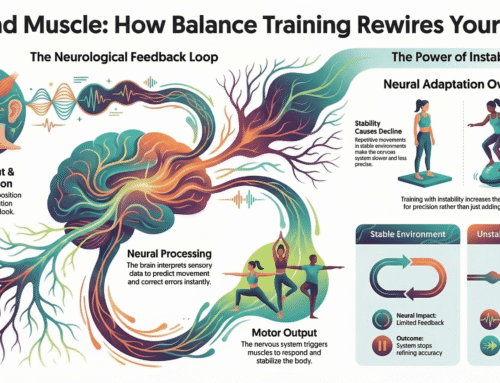
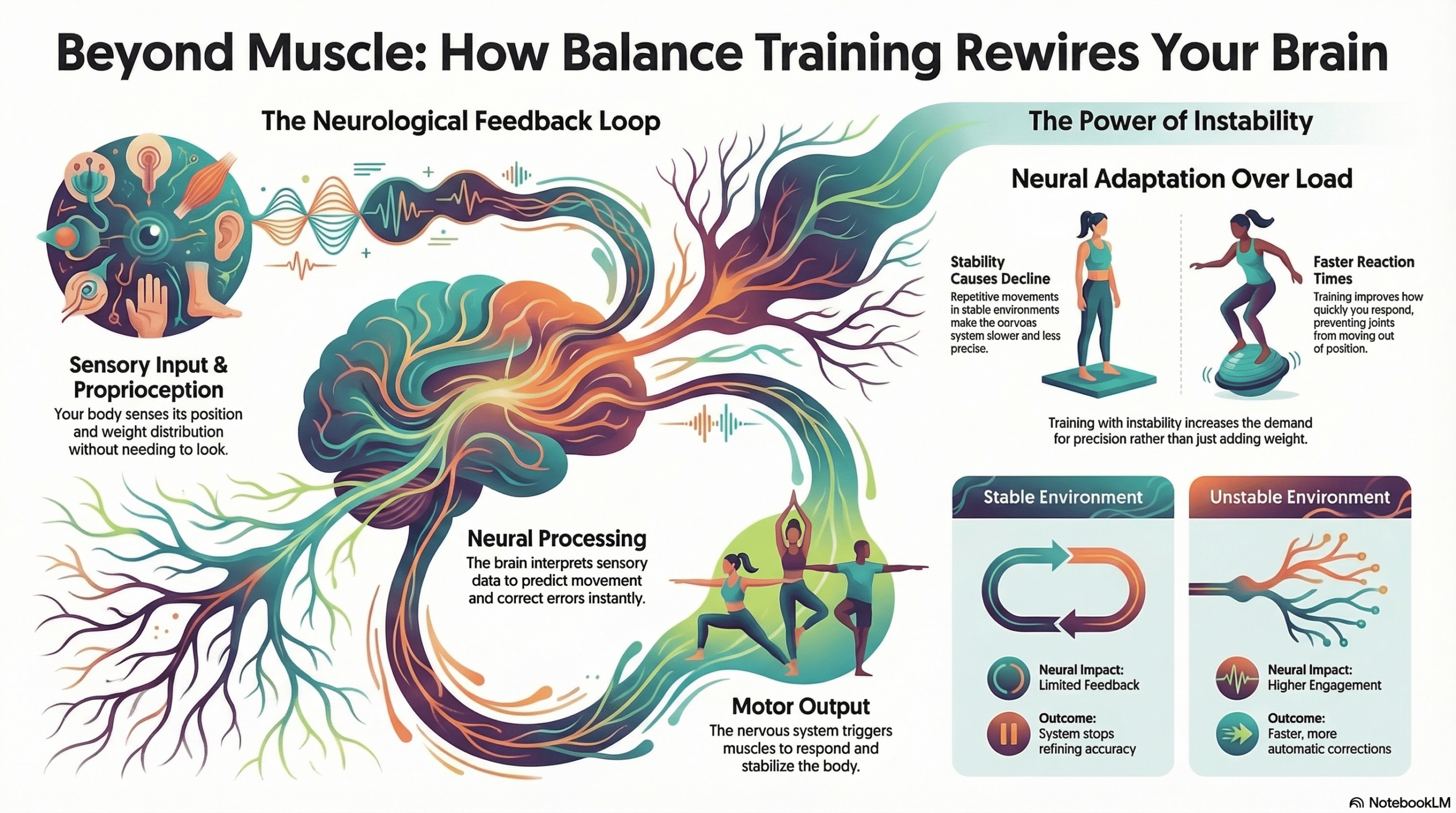
Most home setups are stable by default — flat floors, controlled movements, predictable patterns. This removes the need for real-time correction, coordination under instability, and precise joint control. The result: strong but inefficient movement.
Where Equibalance Fits
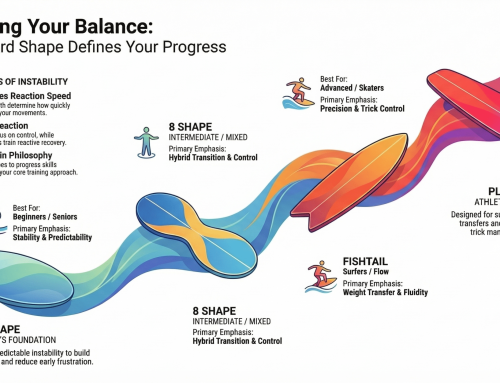
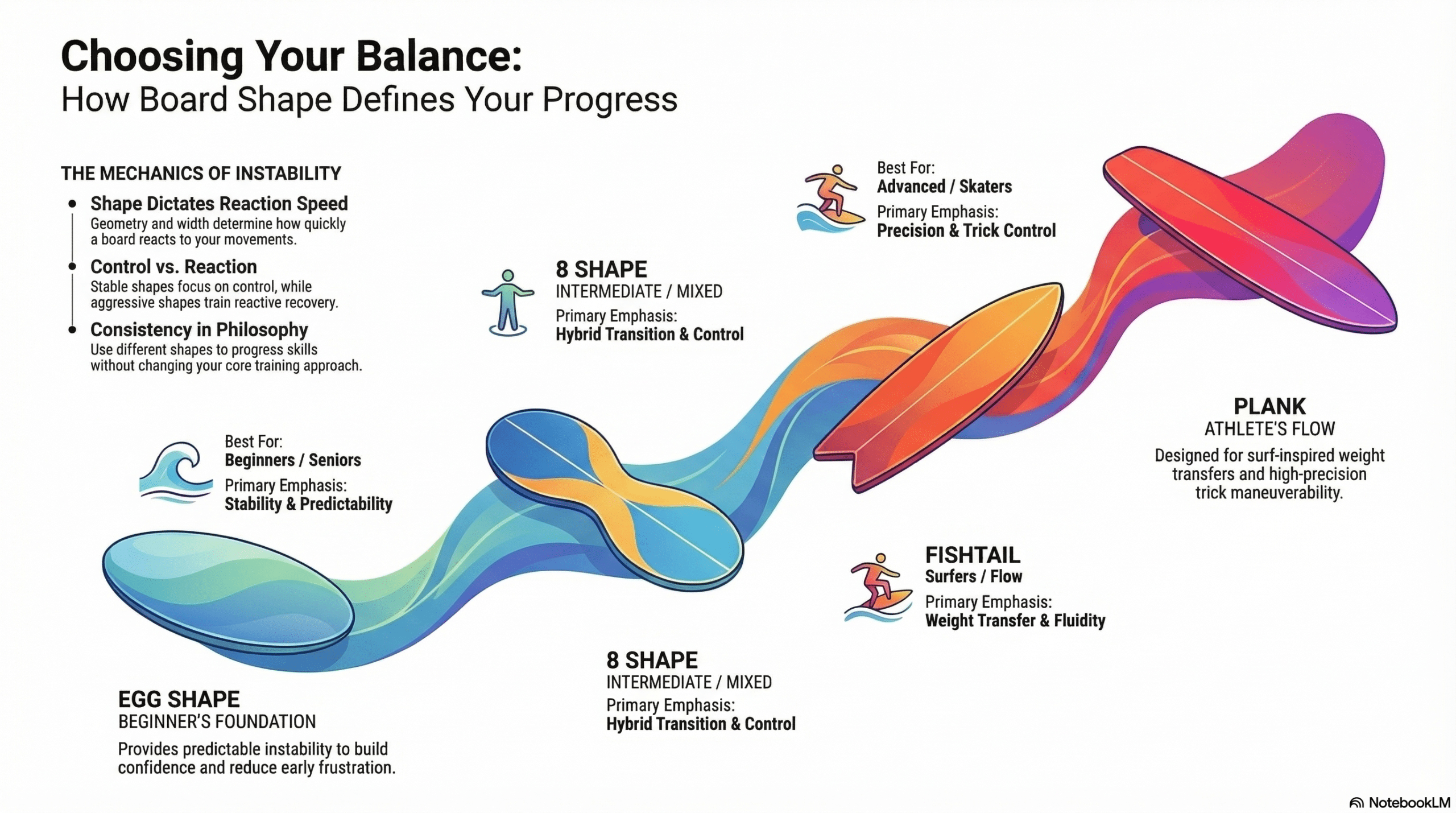
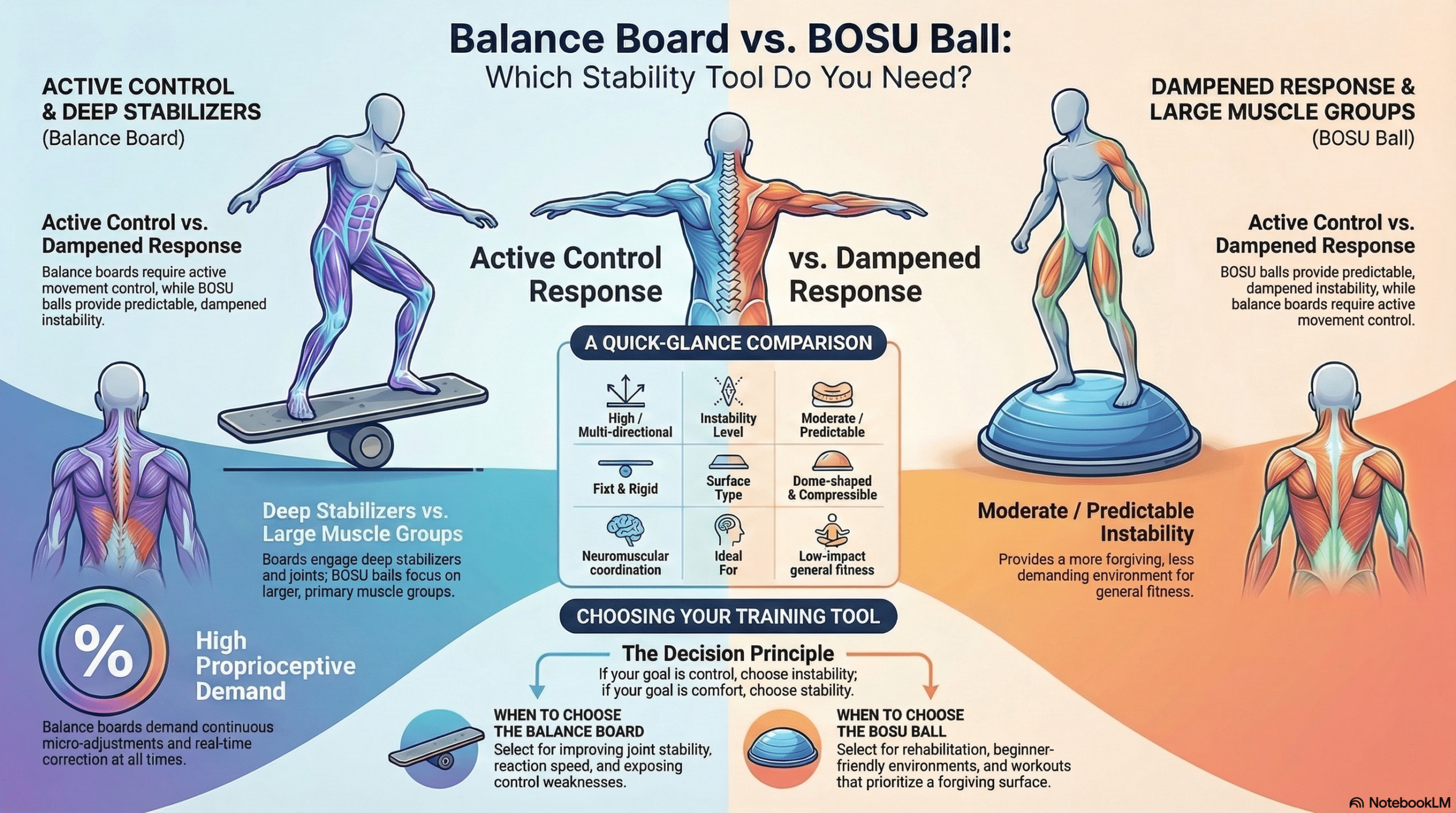
Equibalance replaces multiple unnecessary tools with one function most setups lack. It provides:
- Controlled instability
- Full-body coordination demand
- Continuous stabilizer activation
- Real-time movement feedback
It does not add volume. It adds control.
The Minimal Setup Structure
A complete home setup does not need more. It needs balance across functions:
- 1–2 tools for strength
- Open space for mobility
- 1 system for stability
Anything beyond that becomes optional.
What You Do Not Need
- Large machines
- Redundant equipment
- Tools that duplicate the same function
- Complex setups that reduce consistency
More equipment does not increase results. It increases friction.
The Constraint Advantage
Limited equipment forces better movement quality, higher awareness, and more efficient training. Constraint improves focus.
Capability Over Equipment
The goal is not to “have a home gym.” The goal is to maintain control over your body. Equipment is not the focus. Capability is.
A good setup is not defined by what you add. It is defined by what you remove.